
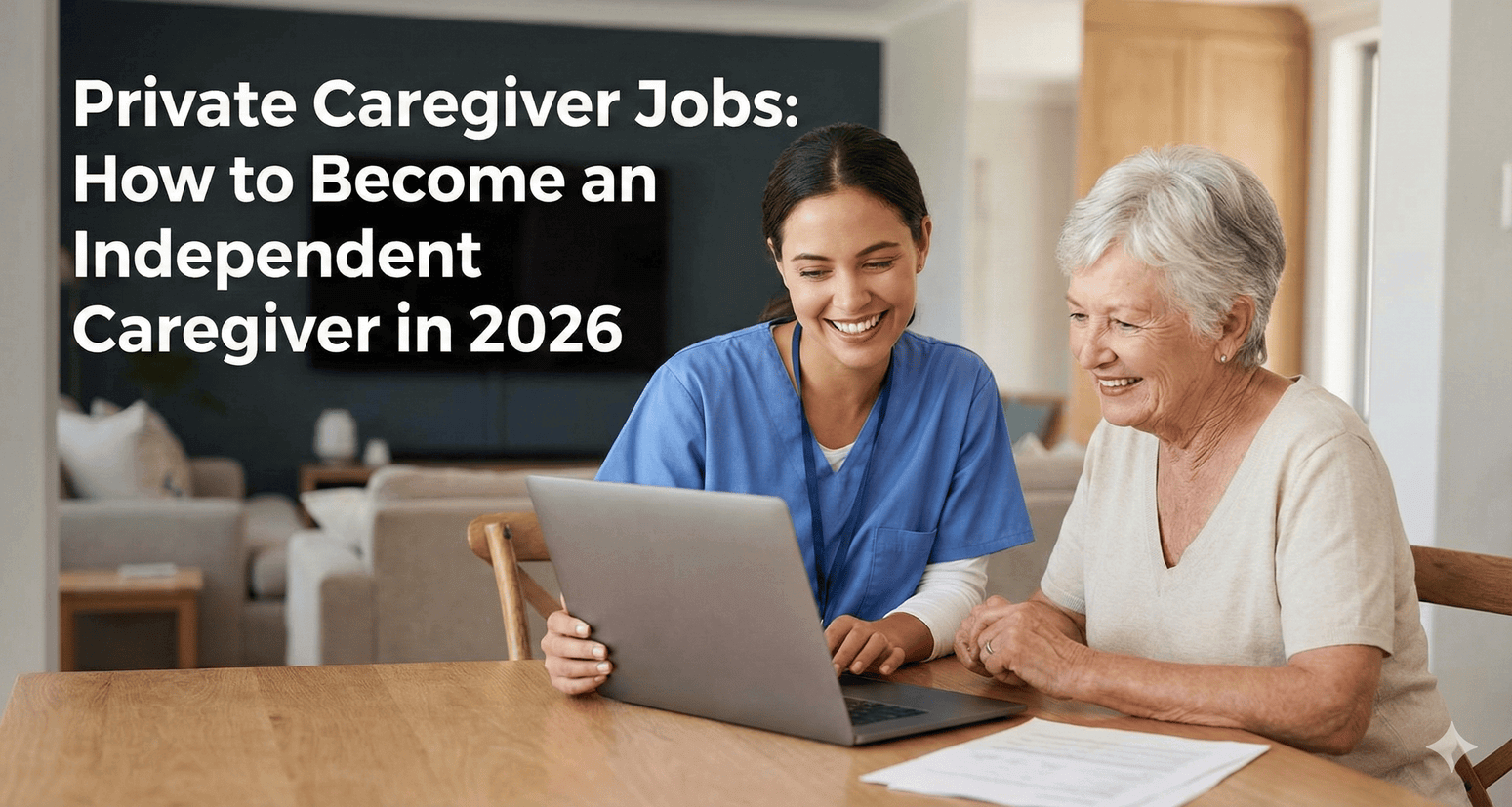

What Is a Private Caregiver?
A private caregiver is hired directly by a family rather than through a home care agency. This means:
The family pays you directly
You set your hours and availability
You negotiate your own rate
You work independently
You may live in the client’s home or provide hourly care
Private caregivers often provide personalized, long-term support, making this a perfect career for caregivers who want stable, meaningful work.
High demand for private caregivers exists in:
Los Angeles → https://carehireusa.com/caregiver-jobs-in-los-angeles/
New York City → https://carehireusa.com/caregiver-jobs-in-new-york/
Houston → https://carehireusa.com/caregiver-jobs-in-houston/
Private Caregiver Duties and Responsibilities
Private caregivers often perform similar tasks as agency caregivers but with more freedom and personalized care routines.
1. Personal Care Support (ADLs)
Bathing
Dressing
Grooming
Toileting
Incontinence care
(If you are not certified, duties may be limited based on state laws.)
2. Companionship and Social Support
Private caregivers build strong relationships with clients through:
Conversation
Emotional support
Games and activities
Reminiscing
Walks or outings
3. Meal Preparation
Including:
Cooking nutritious meals
Meal planning
Dietary monitoring
Encouraging hydration
4. Mobility Assistance
Walking support
Safe transfers
Wheelchair assistance
Fall prevention
5. Medication Reminders
(Non-medical caregivers remind only.)
6. Light Housekeeping
Cleaning
Organizing
Laundry
Bedmaking
7. Transportation
Private caregivers may drive clients to:
Medical appointments
Social visits
Community activities
Grocery stores
8. Dementia & Alzheimer’s Support
Many families hire private caregivers for memory care.
Tasks include:
Redirection
Creating routines
Monitoring behaviors
Preventing wandering
Memory care demand is strong in:
https://carehireusa.com/caregiver-jobs-in-phoenix/
https://carehireusa.com/caregiver-jobs-in-chicago/
How Much Do Private Caregivers Earn in 2025?
Private caregivers usually earn significantly more than agency caregivers because there is no middleman taking part of the pay.
Average Private Caregiver Pay:
$18–$35 per hour
Live-in Private Caregiver Pay:
$180–$350 per day
(Top cities pay even more.)
Pay varies based on:
Location
Experience
Certification (CNA/HHA)
Level of care required
Live-in vs hourly arrangements
High-paying cities include:
San Francisco → https://carehireusa.com/caregiver-jobs-in-san-francisco/
Seattle → https://carehireusa.com/caregiver-jobs-in-seattle/
How to Become a Private Caregiver
Becoming an independent caregiver is easier than most people think. Here’s the step-by-step process:
Step 1: Get Basic Caregiver or CNA/HHA Training
Families prefer caregivers with:
HHA certification
https://carehireusa.com/job-category/home-health-aide-hha-jobsCNA certification
https://carehireusa.com/job-category/certified-nursing-assistant-cna-jobsCPR/First Aid
Dementia care training
Training is not always required, but it increases your rates and job options.
Step 2: Build a Professional Caregiver Resume
Include:
Experience
Certifications
Skills
References
Specialized experience (dementia, mobility support, live-in care)
Step 3: Decide Your Pay Rate
Check local caregiver pay to stay competitive.
(Ideal range: $18–$30/hr depending on location.)
Step 4: Get a Background Check
Most families require a clear background check.
Step 5: Start Applying for Private Caregiver Jobs
Families hire private caregivers through:
Caregiver job boards
Local community listings
Direct referrals
Networking
Online caregiver platforms
Start applying here:
https://carehireusa.com/job-category/caregiver-jobs
Step 6: Create a Simple Service Agreement
This helps avoid misunderstandings. It should include:
Your hourly or daily rate
Duties and responsibilities
Work hours
Breaks
Payment schedule
Confidentiality rules
Termination policy
Pros of Being a Private Caregiver
Private caregiving comes with major benefits:
1. Higher Pay
Private caregivers earn the most in the industry.
2. Flexible Schedule
You decide:
When you work
How many clients you take
Whether you want live-in or hourly shifts
3. Strong Client Relationships
You work closely with clients and families.
4. No Agency Middleman
You keep all your earnings.
5. Personalized Caregiving
Private caregivers can focus on quality, not quantity.
Cons of Being a Private Caregiver
There are challenges to consider:
1. No Guaranteed Hours
You must find your own clients.
2. No Agency Benefits
Such as:
Health insurance
Paid time off
Retirement plans
3. More Responsibility
You're accountable directly to the family.
4. Taxes and Recordkeeping
You may need to track your income as an independent contractor.
Skills Needed for Private Caregiving
1. Strong communication
Private caregivers must update families clearly.
2. Reliability
You must show up consistently — families depend heavily on you.
3. Time management
You may juggle multiple households.
4. Compassion & patience
Critical for dementia or elderly clients.
5. Safety awareness
Fall prevention is essential.
Where Private Caregivers Work
Private caregivers work in:
Private homes
Senior apartments
Independent living communities
Condos or retirement communities
Live-in placements
Find jobs in:
Tips for Succeeding as a Private Caregiver
1. Set clear boundaries
Define “on-duty” and “off-duty” expectations.
2. Keep communication professional
Families appreciate timely updates.
3. Stay organized
Track medications, meals, hydration, and routines.
4. Build trust
Reliability and honesty are everything.
5. Keep learning
Additional certifications = higher pay.
Conclusion
Private caregiver jobs offer excellent pay, independence, flexible schedules, and meaningful relationships with clients. Whether you're an experienced CNA/HHA or a caregiver looking to step into private-duty work, 2025 is the perfect time to begin.
Start exploring caregiver opportunities — including private-duty roles — today:
https://carehireusa.com/job-category/caregiver-jobs
Weekly newsletter
Get the latest blog updates, practical hiring insights, and featured reads delivered straight to your inbox.
Read about our Privacy Policy.